
TWO PROGRAMS.
ONE SPEAKER.
NO SAFE TOPICS.
Available now for conferences, summits, advocacy events, and organizational programming.
Booking Q3–Q4 2026.
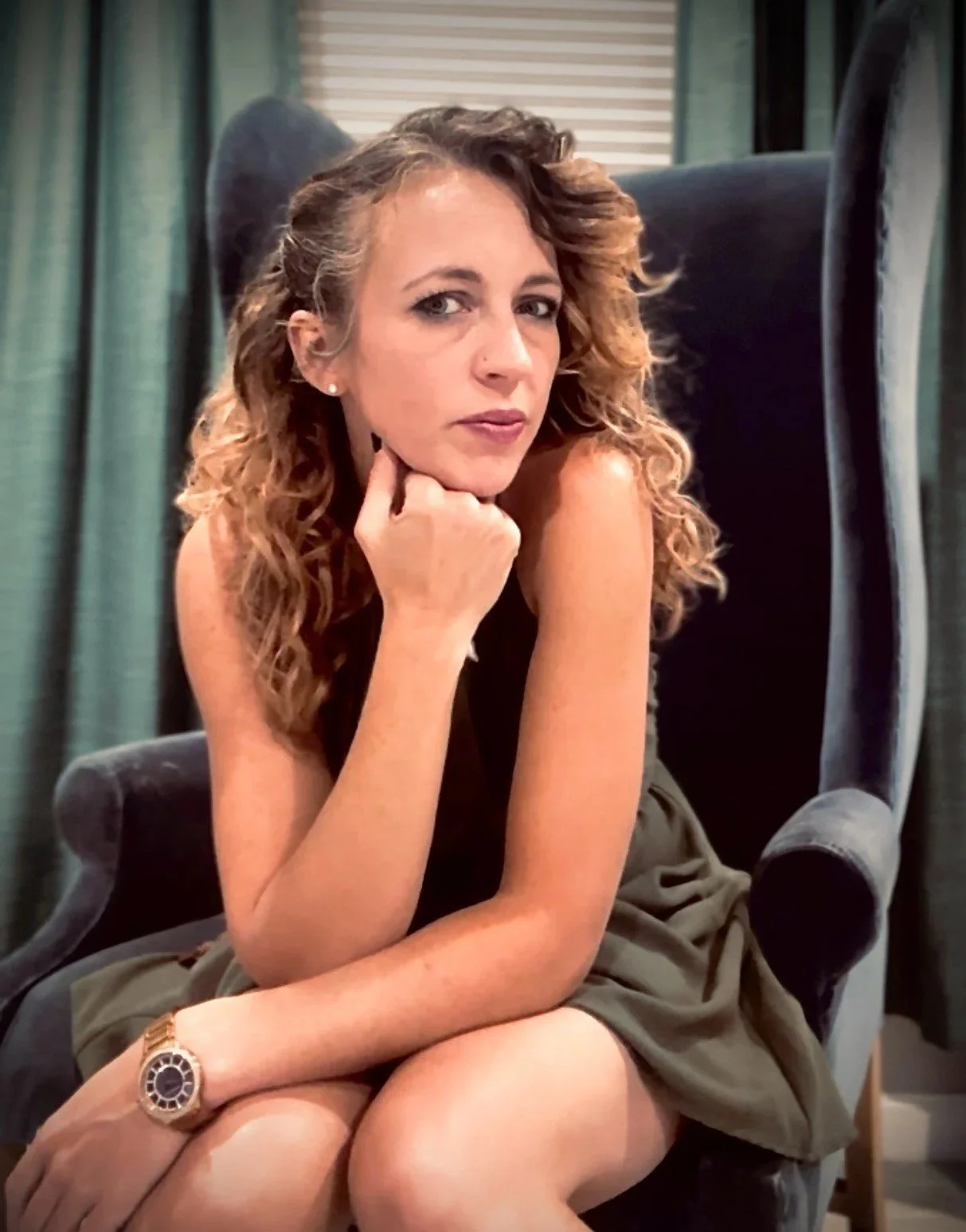
Amanda Bowen is a strategic communications executive with 15+ years of documented results at the state and federal level, including gubernatorial appointments and a nationally-adopted crisis communications framework. She is a published author in The Havok Journal and the National Ambassador for Men's Health Network. Her work sits at the intersection of crisis response, trauma-informed advocacy, and men's emotional health. Her first-hand experience and authentic approach have made her a successful international speaker from the private and non-profit sectors to global corporations, creating bonds both on a 1:1 and a 30,000+ scale.
She did not come to this work from the outside. She was reborn inside it.

. . .
"She writes not as a victim, but as a strategist — one who knows that emotional recovery is its own kind of warfare, and peace must often be earned."
— The Havok Journal, Summer 2025
. . .
Sessions, Workshops, & classes
Sessions run between 45-90 minutes, are designed to be engaging, interactive, and deliver key takeaways unavailable anywhere else.
-
What Men Need & No One Will Say
A facilitated session that goes directly into the territory most men's health programming avoids: shame, isolation, the specific loneliness of men who appear fine, and what it actually takes to change a man's trajectory before crisis. Five named conversation segments. No clinical language. No performance of vulnerability. An honest room built for men who were never going to walk into therapy. -
Early Intervention Frameworks for the People Who Know Him Best
The people closest to a man in decline are rarely equipped to act before it becomes an emergency. This workshop is not for the man in crisis. It is for the people around him: partners, colleagues, coaches, managers, friends, and family members who can see something is wrong and have no idea what to do with that information. Participants leave with a concrete three-part framework for early recognition, low-barrier conversation entry points that do not require clinical training, and a clear map of when and how to escalate. Interactive. Scenario-based. Designed for organizations, HR teams, athletic programs, and community groups.
-
Rewriting the Story Men Tell Themselves About Getting Help
The barrier to men's help-seeking is not access. It is identity. Men do not avoid therapy, support groups, and intervention because they cannot find them. They avoid them because asking for help conflicts with the story they were handed about what a man is. This workshop examines how that story gets built, where it breaks down, and how to actively rewrite it at the individual and organizational level. Participants identify the specific narrative patterns operating in their own context, whether personal, professional, or programmatic, and develop a targeted message strategy for shifting them. Built for advocates, clinicians, educators, coaches, and communications professionals working in men's health spaces.
Keynotes
Keynotes are structured for maximum impact, are rooted in core principles and frameworks, and are best suited for large-scale audiences. Keynotes are 60-90 minutes in length.
-
Why Men Don’t Ask For Help & What It’s Killing
Men account for nearly 80 percent of U.S. suicide deaths. The data is not the problem, the response is. This keynote maps the specific, learnable architecture of why men don't seek help, what that silence costs physiologically and generationally, and what organizations and individuals can do differently starting now. Data-grounded. Emotionally resonant. Closes with one concrete action every person in the room can take in 72 hours. -
How to Build Organizations and Campaigns That Actually Reach Men
Most men's health messaging fails before it lands. Not because men don't care, but because the message was built for the wrong room, the wrong messenger, or the wrong moment. This keynote breaks down the communication architecture of what actually reaches men, why fear-based and clinical approaches consistently underperform, and what authentic engagement looks like when it is built around how men actually process information and trust. Drawn from 15 years of crisis communications work and active campaign development in men's health spaces, this session gives organizations a replicable framework for building messaging that moves men to action rather than away from it. Strategic. Evidence-informed. Leaves every team in the room with a diagnostic tool they can apply to their current programming the same week.